
For many dentists, renting an office makes sense when they are starting out. It offers flexibility, requires less upfront capital, and allows a practice to establish itself before taking on a larger real estate commitment.
But what happens when your practice is established, your patient base is stable, and you know you want to stay in the same location for years?
At that point, you may start asking a different question: Should I buy the building for my dental practice?
Buying dental office real estate can create an opportunity to build equity and gain greater control over your location. At the same time, ownership comes with a larger upfront investment, financing costs, property taxes, insurance, maintenance, and other responsibilities.
So, should you own or rent your dental office?
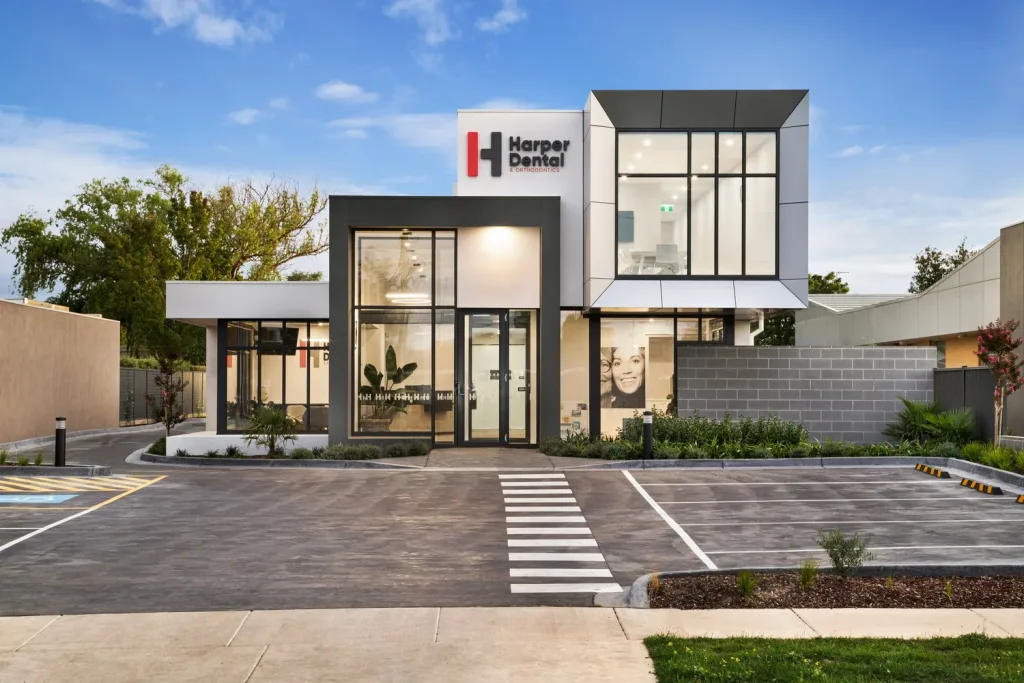
There is no universal answer. The right choice depends on your practice’s cash flow, long-term plans, local real estate market, available capital, and financing options.
Renting vs. Owning a Dental Office
The simplest way to think about the decision is to compare what happens to your money over time.
When you rent, you pay for the right to use the space. Your monthly rent becomes an operating expense, but you generally do not build ownership equity in the property.
When you buy, your monthly payment helps service the financing used to purchase the property. A portion of your payments may build equity in the property over time.
However, ownership does not mean every dollar of a mortgage payment becomes equity. Interest, property taxes, insurance, maintenance, repairs, and other expenses can significantly affect the true cost of owning the building.
That is why dentists considering dental office real estate should compare the total cost of ownership, not simply compare rent with a mortgage payment.
The Financial Case for Buying a Dental Office Building
One of the biggest potential advantages of buying a building is the opportunity to build equity.
For example, imagine a dentist purchases a commercial property for $800,000. The dentist makes a down payment and finances the remaining balance.
Over time, the loan balance can decline as principal is paid. If the property’s market value also increases, the owner’s equity could grow from both loan principal reduction and appreciation.
That does not guarantee a profit. Commercial real estate values can decline, and selling a property involves transaction costs, taxes, and other considerations.
Still, ownership can turn part of the practice’s facility expense into ownership of an asset.
1. You May Build Equity Over Time
Rent payments generally do not give you an ownership interest in the property.
With a purchase, the portion of your financing payment applied to principal increases your equity.
This can become particularly relevant for dentists who expect to remain in the same location for a long period.
Instead of simply paying for occupancy year after year, you may be building an asset that could eventually be sold, refinanced, leased to another business, or retained as an investment.
2. You Gain More Control Over Your Location
When you own the building, you have greater control over the physical space.
You are not dependent on a landlord’s decision when you want to renovate, expand, reconfigure operatories, change signage, or make other significant improvements, subject to local regulations and any applicable property restrictions.
Location can be especially important in dentistry because accessibility, parking, visibility, and proximity to patients can influence a practice’s appeal.
The American Dental Association notes that location, office space, and the surrounding property can all be relevant when evaluating a dental practice.
3. You May Have More Predictability
A long-term commercial lease can provide predictability, but lease rates and terms can change when the lease is renewed.
Owning the property does not eliminate cost increases. Property taxes, insurance, repairs, utilities, and maintenance can all rise.
However, ownership gives you greater control over the underlying real estate and eliminates the risk of a landlord deciding not to renew a lease or changing the property’s use.
For an established dentist who expects to operate in the same location for many years, that control can be valuable.
The Costs of Buying Dental Office Real Estate
Buying a building is not automatically better than renting.
The biggest mistake is looking only at the potential equity and ignoring the full financial commitment.
Before deciding to buy, consider:
- Down payment
- Loan principal and interest
- Property taxes
- Commercial property insurance
- Maintenance and repairs
- Utilities
- Renovations and improvements
- Legal and closing costs
- Environmental or property inspections
- Landscaping and exterior maintenance
- Parking and common-area expenses
- Potential vacancy if the practice eventually moves
- The opportunity cost of the cash used for the purchase
The building may also require significant improvements before it is suitable for a dental practice.
A property that looks inexpensive at first can become considerably more expensive after accounting for construction, plumbing, electrical work, HVAC, accessibility requirements, and dental-specific buildout needs.
How Much Should You Put Down?
There is no single down payment that works for every dentist or every commercial property.
A larger down payment can reduce the amount financed and potentially lower monthly payments. But putting too much cash into the building can create another problem: less liquidity for the practice.
This matters because dental practices need working capital.
You may need cash for payroll, marketing, equipment, supplies, unexpected repairs, technology upgrades, or future expansion.
For example, imagine a dentist has $300,000 available for a real estate purchase.
Putting the entire amount into the property might reduce the financing required, but it could leave the practice with very little cash available for operations.
A lower down payment may preserve liquidity but increase the amount financed and potentially the total financing cost.
The right question is therefore not simply:
“How much can I put down?”
It is:
“How much can I put down while keeping the practice financially healthy?”
Don’t Forget the Opportunity Cost
This is one of the most important parts of the own vs. rent dental office decision.
Cash used for a building cannot simultaneously be used for something else.
For example, a dentist might have to choose between putting additional cash toward a property and using that money to:
- Purchase new dental technology
- Add operatories
- Hire additional staff
- Expand into another location
- Pay down high-interest debt
- Build working capital reserves
- Invest in marketing and patient acquisition
That does not mean buying the building is a bad investment.
It means the building should be evaluated alongside the other opportunities available to the practice.
What About Taxes and Depreciation?
Tax treatment is another reason dentists should involve a qualified CPA before purchasing commercial real estate.
The IRS allows depreciation deductions for qualifying business property, and nonresidential real property generally has a 39-year recovery period under the Modified Accelerated Cost Recovery System. Land itself is not depreciable.
However, depreciation rules are detailed, and the tax consequences of purchasing, improving, refinancing, or eventually selling a property can vary.
A dentist should not purchase a building simply because of a potential tax deduction.
Instead, work with your CPA to understand how the property would affect your specific tax situation.
When Renting May Make More Sense
Buying is not always the better financial move.
Renting may make more sense when:
Your Practice Is Still Growing
If you are not sure where your practice will be five or ten years from now, committing to a property may limit your flexibility.
You Expect to Relocate
If your current location is convenient today but you anticipate moving to a different market or neighborhood, purchasing could create an unnecessary constraint.
The Purchase Would Stretch Your Cash Flow
A property should not put your practice in a position where monthly obligations become difficult to manage.
A profitable practice can still experience cash flow problems if too much capital is tied up in real estate.
You Have Better Uses for Your Capital
If your practice has significant growth opportunities, paying down expensive debt or investing in revenue-producing improvements may deserve consideration before purchasing real estate.
When Buying May Be Worth Considering
Buying a dental office building may deserve serious consideration when several of these factors apply:
- You have an established and profitable practice.
- You expect to remain in the same location for many years.
- The property meets your current and future space requirements.
- You have sufficient cash for the purchase without draining working capital.
- The financing payment fits comfortably within your practice’s cash flow.
- The property’s price is reasonable relative to the local market.
- You have evaluated maintenance, taxes, insurance, and other ownership costs.
- Your CPA and financial advisors have reviewed the structure.
- You have considered what happens if you eventually sell the practice.
The last point is particularly important.
Think About the Future Sale of Your Dental Practice
Buying the building should not be viewed separately from your eventual exit strategy.
If you own both the dental practice and the real estate, you may eventually have two assets to consider.
The American Dental Association points out that real estate can be part of the value and structure of a dental practice transaction, and buyers may need to account for facility costs when evaluating a practice.
For example, when you eventually sell your practice, you could potentially:
- Sell the practice and retain the building.
- Sell both the practice and building.
- Sell the practice and lease the property to the new owner.
- Continue owning the property as a real estate investment.
Each option has different financial, tax, and operational implications.
That is why purchasing dental office real estate should be part of a broader long-term practice strategy rather than a decision based only on today’s monthly payment.
How Dental Practice Real Estate Financing Fits In
For many dentists, the challenge is not deciding whether owning property could make sense. The challenge is structuring the financing without putting unnecessary pressure on the practice.
Dental practice real estate financing may need to be considered alongside other financing needs.
For example, a dentist purchasing a building may also need funding for:
- Dental equipment
- Office improvements
- Construction or renovations
- Technology
- Working capital
- Expansion
- Existing debt
The goal should be to understand the complete capital requirement before committing to the property.
At IMS Financial, we work with dental professionals on financing needs that can include practice expansion, equipment, working capital, refinancing, debt consolidation, and practice acquisition. Depending on the financing need and program, IMS offers application-based financing options for dental professionals.
That means a dentist considering a property purchase should look at the entire financial picture rather than treating the building as an isolated expense.
A Simple Own vs. Rent Comparison
Before making a decision, create a side-by-side comparison.
| Factor | Renting | Buying |
|---|---|---|
| Upfront cash | Generally lower | Generally higher |
| Monthly occupancy cost | Rent | Loan + ownership expenses |
| Equity building | No property equity | Potential equity accumulation |
| Flexibility | Generally higher | Generally lower |
| Maintenance responsibility | Often shared or landlord-managed | Primarily owner’s responsibility |
| Control over property | Limited by lease | Greater control |
| Property appreciation | No direct benefit | Owner may benefit |
| Property value risk | Generally no direct exposure | Owner bears the risk |
| Long-term asset | No | Yes |
| Exit strategy | Lease terms matter | Practice and property can be planned separately |
The important point is that neither column automatically wins.
The right choice depends on your practice’s financial position and long-term goals.
Questions to Ask Before You Buy
Before signing a purchase agreement, ask:
- How long do I realistically expect to stay in this location?
- What will my total monthly ownership cost be?
- How much cash will the purchase require upfront?
- How much working capital will remain after closing?
- What renovations will the property require?
- What will property taxes and insurance cost?
- What happens if the property value declines?
- Could the practice comfortably support the financing during a slower period?
- Would buying prevent me from pursuing another growth opportunity?
- What will happen to the property if I eventually sell my dental practice?
These questions can help turn an emotional real estate decision into a financial analysis.
The Bottom Line for Dentists
Buying a dental office building can be an important part of a long-term wealth and practice strategy, but ownership is not automatically better than renting.
For the right practice, owning the property can provide greater control, potential equity accumulation, and another asset that may remain valuable after the dentist eventually exits the practice.
For another dentist, renting may be the better fit because it preserves flexibility and capital for growth.
The most important step is to compare the full financial picture: rent, financing, down payment, taxes, insurance, maintenance, working capital, opportunity cost, and long-term plans.
If you’re considering buying dental office real estate, IMS Financial can help you evaluate the financing side of the equation and explore options based on your practice’s goals.
Ready to discuss your financing options?
Contact IMS Financial for a no-cost assessment.
800-650-5611
info@imsfinancial.net
imsfinancial.net
This article is for educational purposes only and is not tax, legal, accounting, or investment advice. Consult your CPA, attorney, commercial real estate professional, and other qualified advisors before purchasing commercial property.
👉 Explore our financial planning resources for dental practices and start the year with confidence.
👉 Learn more to receive additional information about flexible financing solutions for dental practices.
👉 Read our client stories to see how other dental practices have navigated similar financial challenges.


