
Upgrading dental equipment in 2026 is no longer optional for most practices. From digital scanners to CBCT systems and modern chairs, technology directly impacts efficiency, patient experience, and long-term growth. However, one question continues to stop many dentists before moving forward: Is it better to buy dental equipment outright or finance it?
The answer depends on more than just the sticker price. To truly understand which option saves you more, you need to consider cash flow, tax benefits, flexibility, and opportunity cost.
The True Cost of Buying Dental Equipment
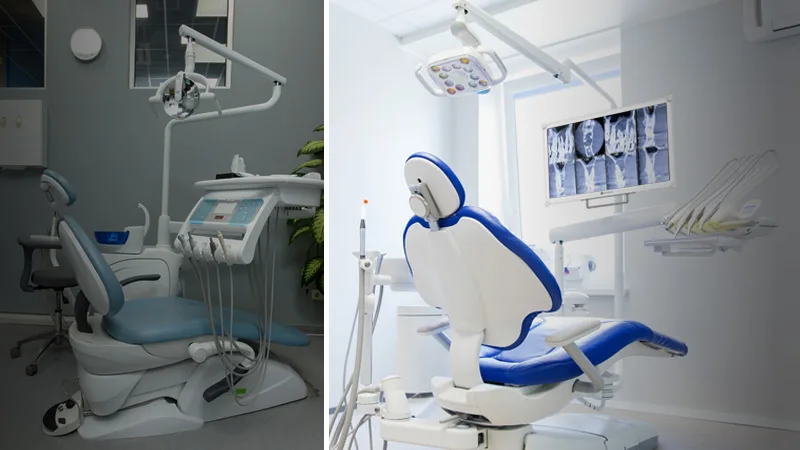
Buying dental equipment with cash may seem like the simplest option. After all, you avoid interest and own the equipment immediately. However, paying upfront comes with hidden trade-offs.
First, large cash purchases can significantly reduce working capital. This means less money available for payroll, marketing, unexpected repairs, or growth opportunities. Additionally, tying up cash in equipment limits your flexibility if priorities change later in the year.
While buying may work for smaller purchases, it can create strain when investing in high-ticket items like CAD/CAM systems or imaging technology.
Why Financing Dental Equipment Is Often the Smarter Choice
Financing dental equipment allows practices to spread the cost over time instead of draining cash reserves. As a result, dentists can upgrade technology while keeping their practice financially stable.
More importantly, financing provides flexibility. If your practice needs to invest in additional tools, expand services, or handle seasonal fluctuations, preserving cash flow becomes critical.
👉 Learn more about Dental Equipment Financing Solutions from IMS Financial
Tax Benefits Dentists Shouldn’t Ignore
One major advantage of financing is the potential tax benefit. Under IRS Section 179, many dentists can deduct the full cost of qualifying equipment in the year it’s placed into service — even if it’s financed.
This means you may receive tax savings without paying the full cost upfront.
👉 Review the IRS Section 179 guidelines here.
Because tax rules vary, it’s always best to consult with a tax professional to maximize deductions.
Cash Flow vs. Cost: What Saves You More Long-Term?
Although buying equipment avoids interest, financing often saves more in the long run by protecting cash flow. When cash stays in your practice, it can be used to generate additional revenue — whether through marketing, hiring staff, or expanding services.
In contrast, large upfront purchases may limit growth and increase financial stress, especially during slower seasons.
When Buying Makes Sense — and When Financing Wins
Buying equipment may make sense if:
-
The purchase is relatively small
-
Your cash reserves are strong
-
No other investments are planned
However, financing is often the better option if:
-
The equipment is high-cost
-
You want to preserve working capital
-
You plan to grow or upgrade further
-
You want predictable monthly payments
Final Thoughts
In 2026, the smartest dental practices aren’t choosing between buying or financing — they’re choosing the option that supports long-term growth. For many dentists, financing dental equipment offers flexibility, tax advantages, and financial stability that buying simply can’t match.
With the right financing partner, upgrading equipment becomes a strategic investment instead of a financial burden.
Plan Ahead With IMS Financial
At IMS Financial, we help dentists avoid financial mistakes before they become problems. From debt consolidation and refinancing to equipment financing and long-term planning, our team partners with you to build a stronger, more resilient practice.
👉 Explore our financial planning resources for dental practices and start the year with confidence.
👉 Learn more to receive additional information about flexible financing solutions for dental practices.
👉 Read our client stories to see how other dental practices have navigated similar financial challenges.
For more expert insights on dental business management and financial growth strategies, visit Dental Economics.


