
Opening your own dental office can be an important step toward professional independence. But before you sign a lease, purchase equipment, or begin renovations, you need a realistic understanding of dental practice startup costs.
The cost to open a dental practice goes far beyond dental chairs and X-ray equipment. Construction, technology, licensing, supplies, payroll, marketing, and working capital all contribute to the total investment. If you underestimate these expenses, you could find yourself managing cash flow challenges before your patient base has had time to grow.
So, how much does it cost to start a dental practice in 2026?
According to the American Dental Association (ADA), construction for a new practice can run approximately $250,000 to $500,000, with equipment adding another $100,000 to $200,000. These figures provide a useful starting point, but your total budget will depend on your location, office size, specialty, equipment choices, and the condition of your space.
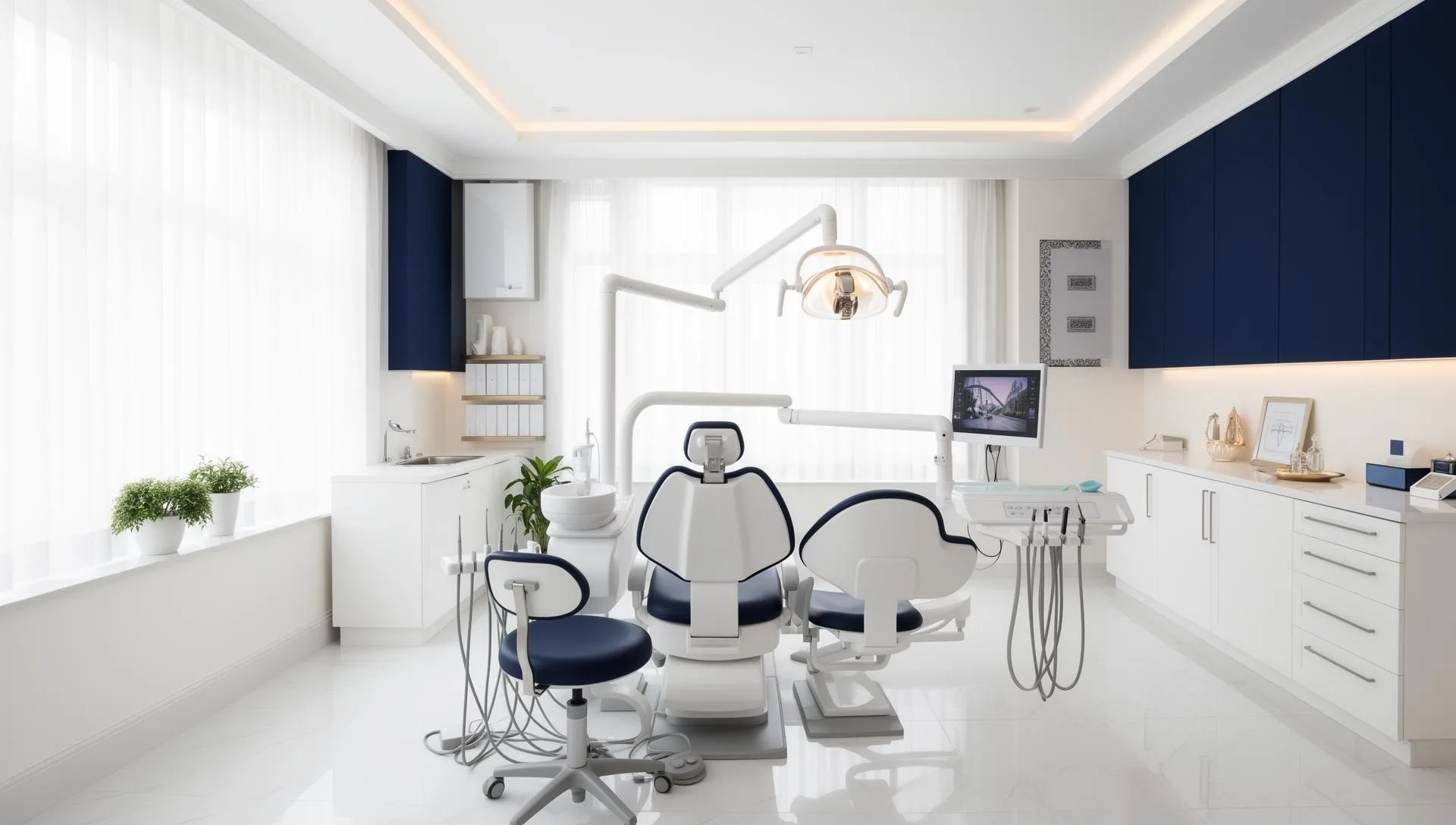
In this guide, we’ll break down the major expenses, explain which costs dentists often overlook, and outline how to plan your financing before opening day.
How Much Does It Cost to Start a Dental Practice in 2026?
There is no universal price tag for opening a dental office. A smaller practice in a space that already has suitable dental infrastructure may require a different investment than a larger office that needs extensive construction, advanced imaging, or multiple operatories.
As an initial planning reference, the ADA has cited construction costs of approximately $250,000 to $500,000 and equipment costs of approximately $100,000 to $200,000 for a new practice. Those two categories alone could represent $350,000 to $700,000 before accounting for every other startup expense.
Your complete budget may also include:
- Leasehold improvements and construction
- Dental chairs and clinical equipment
- X-ray systems and CBCT imaging
- Computers, practice management software, and IT infrastructure
- Office furniture and signage
- Licensing, permits, and insurance
- Initial clinical and office supplies
- Marketing and patient acquisition
- Payroll and operating expenses before collections stabilize
- An emergency cash reserve
Treat these numbers as planning references, not a quote or guarantee. Obtain current bids from contractors, equipment suppliers, technology vendors, and other professionals in your market before deciding how much capital you need.
1. Leasehold Improvements and Dental Office Construction
Construction is often one of the largest components of dental office startup costs.
Even if you lease rather than purchase a commercial property, you may need to invest in improvements to make the space suitable for clinical operations. Depending on the location and condition of the property, this can include:
- Plumbing and electrical work for dental operatories
- Compressed air and vacuum systems
- Specialized lighting and cabinetry
- Sterilization and instrument-processing areas
- Reception and waiting areas
- Private offices and staff spaces
- Flooring, painting, accessibility improvements, and signage
- Permits, architectural plans, and engineering services
Before signing a lease, determine whether the space can accommodate your intended layout and equipment. Ask about tenant improvement allowances, who is responsible for specific upgrades, and whether the lease provides enough time to complete construction before rent and other expenses begin.
A property that appears affordable at first may require substantial improvements. Compare the total cost of preparing the space, not just the monthly rent.
If you plan to purchase the building rather than lease it, account for real estate costs separately from your practice setup budget.
2. Dental Chairs and Clinical Equipment
Your equipment budget will depend on the number of operatories you plan to open, the procedures you intend to perform, and whether you choose new or refurbished equipment.
Typical purchases may include:
- Dental chairs and delivery systems
- Operator lights and cabinetry
- Handpieces and clinical instruments
- Autoclaves and sterilization equipment
- Suction and compressor systems
- Intraoral cameras and scanners
- Endodontic or specialty equipment, if needed
You do not necessarily need to purchase every possible piece of equipment on day one. Start with the equipment required to provide your core services safely and efficiently, then evaluate additional purchases based on patient demand and your growth plan.
Compare the total cost of ownership, including installation, warranties, maintenance, training, and replacement parts. A lower purchase price may not be the best value if the equipment requires frequent repairs.
For more guidance, read our guide to budgeting for dental equipment without hurting cash flow.
You can also explore dental equipment financing to understand how financing may help preserve cash for other startup expenses.
3. X-Ray Systems and CBCT Imaging
Diagnostic imaging can represent a significant investment, particularly if you plan to offer advanced imaging services.
Depending on your practice model, your imaging budget may include digital intraoral X-ray systems, panoramic imaging, sensors, software, installation, and potentially cone beam computed tomography (CBCT).
Before purchasing, consider:
- Which imaging services your intended procedures require
- Whether your equipment will integrate with your practice management software
- Installation and room-preparation requirements
- Applicable state and local radiation safety rules
- Training, service contracts, and ongoing maintenance
- Whether outsourcing certain imaging services makes more financial sense initially
Advanced imaging can support your clinical capabilities, but the decision should be based on patient needs, expected utilization, and the overall business plan rather than the technology alone.
4. Computers, Software, and IT Infrastructure
Technology is another essential part of dental office startup costs. A reliable setup helps your team manage appointments, patient records, billing, imaging, communications, and day-to-day operations.
Budget for items such as:
- Computers and monitors
- Practice management and electronic health record software
- Digital imaging software
- Secure networking and Wi-Fi
- Backup systems and cybersecurity
- Phone systems and internet service
- Payment processing hardware
- Installation, configuration, and staff training
Some software platforms charge recurring subscription fees, while others may involve implementation or licensing costs. Confirm what is included in each quote and whether fees increase as you add users, operatories, or locations.
Cybersecurity and data backups should be part of your initial planning, not something added after a problem occurs.
5. Furniture, Signage, and Office Setup
Furniture and décor may seem secondary compared with clinical equipment, but these expenses can add up quickly.
Include reception desks, waiting room seating, office chairs, storage, staff room furniture, filing or supply cabinets, exterior signage, and other items required to make the space functional.
Prioritize purchases that support patient flow, accessibility, staff productivity, and a professional environment. You can upgrade decorative elements later as revenue grows.
6. Licensing, Permits, Insurance, and Professional Fees
Before opening, verify the requirements that apply to your state, municipality, ownership structure, and clinical services.
Possible expenses include:
- Professional and business registrations
- Dental practice permits or facility requirements, where applicable
- Building, electrical, plumbing, and signage permits
- Radiation-related registrations or inspections
- Professional liability and general liability insurance
- Property, equipment, and workers’ compensation coverage
- Legal fees for leases, contracts, and business formation
- Accounting and tax-planning services
These requirements vary by jurisdiction. Confirm them with the relevant state dental board, local authorities, insurance professionals, and qualified legal or accounting advisers.
The ADA’s Starting a Dental Practice resource is a useful starting point for organizing the business and compliance tasks involved.
7. Initial Inventory and Clinical Supplies
Your practice will need supplies before the first patient arrives. The exact amount depends on your procedures, the number of operatories, supplier terms, and expected patient volume.
Initial purchases may include gloves, masks, sterilization products, disposable barriers, anesthetics, restorative materials, impression materials, burs, and general office supplies.
Build your inventory around the services you intend to provide. Buying too much at launch can tie up cash in products that expire or are used infrequently. Buying too little can create delays and lead to expensive last-minute orders.
Ask suppliers about opening orders, minimum quantities, delivery schedules, and payment terms. Establish a process for tracking usage and reordering once the practice is operating.
8. Payroll Before the Practice Becomes Profitable
A new dental office may take time to build a consistent patient base and generate enough collections to cover expenses. Yet many operating costs begin before the practice reaches its target revenue.
Your payroll budget may include a front-office coordinator, dental assistants, hygienists, and other team members based on your opening schedule and service model. Remember to include employer payroll taxes, benefits, onboarding, training, and recruiting expenses where applicable.
Avoid hiring for a fully established practice before your patient volume supports it. At the same time, staffing too leanly can hurt patient experience, scheduling, and collections.
Create a monthly cash flow forecast that estimates when expenses begin, when the practice opens, how quickly patient volume may grow, and when payments are likely to be collected.
The ADA’s guidance on variable costs in practice ownership recommends planning carefully for early operating expenses. It also notes that new practices may need savings or another source of income during the initial months.
9. Marketing and Patient Acquisition
A new office needs a plan for attracting patients. Even a well-designed practice with excellent equipment may struggle if prospective patients do not know it exists.
Your launch marketing budget could include:
- Website design and local search optimization
- Google Business Profile setup
- Branding, signage, and photography
- Paid search and social advertising
- Community outreach and referral development
- Patient communications and appointment reminders
- Launch promotions that comply with applicable professional rules
Build a marketing plan around your location, ideal patient base, competition, and services. Track calls, appointment requests, new-patient bookings, and patient acquisition costs so you can identify which channels are producing results.
Do not assume marketing will stop being necessary after opening. Include ongoing marketing expenses in your operating budget.
10. Emergency Cash Reserve and Working Capital
One of the most overlooked dental office startup costs is the cash needed after the doors open.
You may have paid for construction, equipment, and initial inventory, but you still need funds to cover rent, payroll, utilities, supplies, insurance, loan payments, and other operating costs while collections build.
A working capital plan should account for:
- Monthly fixed and variable expenses
- Delays between providing treatment and receiving payment
- Insurance reimbursement timing, where applicable
- Unexpected equipment repairs
- Construction overruns or opening delays
- Slower-than-expected patient growth
- Personal financial obligations during the startup period
There is no single reserve amount that works for every dentist. Build your estimate from your projected monthly expenses, expected revenue ramp-up, personal obligations, and access to other funds.
The ADA recommends developing a financial plan and monitoring your break-even point as part of practice ownership. Review its guide to developing a dental business plan before committing to major expenses.
How to Build a Realistic Dental Practice Startup Budget
Before applying for financing or signing contracts, organize your costs into three groups.
One-time startup costs: Construction, equipment purchases, initial inventory, permits, furniture, and technology setup.
Recurring operating costs: Rent, payroll, utilities, software subscriptions, insurance, supplies, marketing, and debt payments.
Contingency funds: Money reserved for delays, unexpected expenses, and a slower-than-expected start.
For each item, record a low estimate, a high estimate, a vendor quote if available, the payment due date, and whether the expense is essential before opening.
Then prepare a monthly cash flow forecast for at least the first year. Include realistic assumptions for patient volume, collections, expenses, and loan payments. Consider a longer planning horizon if your practice model will require a gradual ramp-up.
Finally, calculate your break-even point: the level of collections needed to cover your operating expenses and financial obligations. A practice can generate revenue and still experience cash flow problems if collections arrive late or startup expenses are higher than planned.
How Can You Finance Dental Practice Startup Costs?
Once you understand the total investment, the next step is deciding how to fund it without leaving the business short of cash.
Depending on your qualifications and project, options may include:
- Dental practice startup loans: Financing designed for the costs of launching a new practice.
- Equipment financing: Funding for eligible chairs, imaging systems, technology, and other clinical equipment.
- Working capital financing: Funds that may help cover payroll, marketing, supplies, and operating expenses.
- Traditional bank or SBA financing: Options to evaluate based on eligibility, documentation, timing, collateral, and repayment terms.
- Personal capital or investor contributions: Funds you contribute directly or obtain through an ownership arrangement.
Each option has different costs, qualification requirements, repayment structures, and timelines. Some projects may use a combination of funding sources.
When comparing financing offers, look beyond the approved amount. Evaluate the interest rate, fees, repayment term, payment schedule, collateral or personal guarantee requirements, prepayment conditions, and how the monthly payment fits your projected cash flow.
Also confirm what the lender permits the funds to cover. Do not assume that every loan product can finance construction, real estate, equipment, and working capital under the same terms.
For additional guidance, the ADA explains important considerations in its overview of the dental practice loan process.
When Should You Start Talking to a Lender?
It is often useful to explore financing before you finalize major commitments. Early conversations can help you understand potential funding options, documentation requirements, and how your planned budget may fit within a lender’s criteria.
Before you speak with a lender, prepare:
- A preliminary startup budget with vendor and contractor estimates.
- A business plan and projected cash flow.
- Your expected opening date and construction timeline.
- A list of equipment and other planned purchases.
- An overview of your existing financial obligations.
- Questions about rates, fees, repayment, collateral, and permitted uses of funds.
You can also review IMS Financial’s dental practice financing options to learn about financing for eligible dental business needs, including equipment and working capital.
Financing is subject to approval, and available amounts, terms, documentation, and funding timelines vary by applicant and request. Compare your options carefully before deciding which structure is appropriate for your practice.
Final Thoughts: Plan for More Than Opening Day
The true cost to open a dental practice includes much more than the physical office. Construction, equipment, technology, licensing, supplies, payroll, marketing, and working capital all contribute to the amount you need to launch and operate sustainably.
The strongest startup budget is built from current quotes, realistic revenue assumptions, and a plan for unexpected expenses. Make sure you can cover not only the cost of opening, but also the months it may take for your patient base and collections to stabilize.
If you are preparing to open a dental office, start by calculating your full startup investment and identifying the funding gaps. Then compare financing options based on their total cost and how comfortably the repayment fits your projected cash flow.
Planning to open your own dental practice? Explore dental practice financing with IMS Financial or contact the team at 800-650-5611 or info@imsfinancial.net to discuss potential options for your business.
Disclaimer: This article is for educational purposes only and is not legal, tax, accounting, or financial advice. Startup costs and financing requirements vary by location, practice model, lender, and individual circumstances. Verify estimates with current vendor quotes and consult qualified professional advisers before making financial commitments. Financing is subject to approval and applicable terms.
👉 Explore our financial planning resources for dental practices and start the year with confidence.
👉 Learn more to receive additional information about flexible financing solutions for dental practices.
👉 Read our client stories to see how other dental practices have navigated similar financial challenges.


