
The conversation around DSO vs private practice has become one of the biggest topics in dentistry in 2026. Across the country, more dentists are questioning what the future of ownership should look like as Dental Service Organizations continue expanding rapidly.
For some practice owners, selling to a DSO feels like a practical decision. Rising overhead costs, staffing shortages, insurance pressure, and administrative burnout are making independent ownership more difficult than it was years ago. At the same time, DSOs promise operational support, financial stability, and fewer management responsibilities.
However, many dentists still value independence. They want control over patient care, pricing, culture, and long-term growth. Because of this, the decision is no longer simply about money. It is also about lifestyle, professional goals, and the future vision of the practice.
The reality is that there is no universal answer. Some practices thrive inside a DSO structure, while others become more profitable and successful by staying independent and scaling strategically.
Why DSOs Continue Growing in 2026
Dental consolidation has accelerated significantly over the last several years. DSOs now control a growing percentage of dental practices, especially in larger metropolitan markets.
One reason for this growth is that many dentists are overwhelmed by the business side of dentistry. Managing payroll, staffing, marketing, insurance claims, and rising expenses takes time away from patient care. As a result, some dentists are looking for a simpler path.
DSOs appeal to practice owners because they typically handle many operational responsibilities. This includes recruiting, marketing, purchasing, billing support, and administrative systems. In theory, this allows dentists to focus more on clinical work and less on running the business.
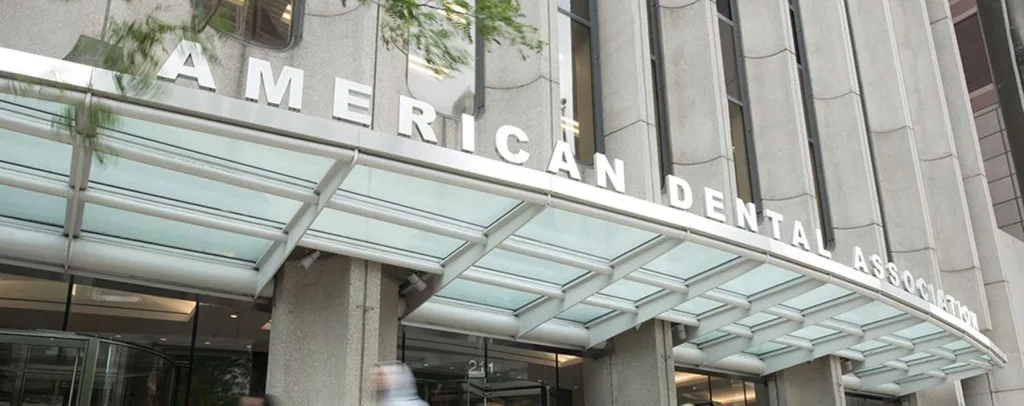
According to the American Dental Association, consolidation trends continue shaping the future of the dental industry and influencing practice ownership decisions across the country.
In addition, younger dentists entering the industry are often carrying significant student loan debt. Because of this, joining a DSO may feel financially safer than purchasing or building an independent practice.
The Main Difference Between DSO and Private Practice Ownership
When comparing DSO vs private practice, the biggest difference is control.
Private practice owners maintain authority over nearly every aspect of the business. They decide how patients are treated, what technology to invest in, how staff are managed, and how the practice grows over time.
For many dentists, this independence is extremely valuable. It allows them to create a patient experience that reflects their philosophy and goals.
On the other hand, DSOs usually standardize systems across multiple offices. While this creates efficiency and consistency, it may also reduce flexibility. Some dentists feel pressure to meet production goals or follow operational structures that do not fully align with their preferences.
That does not automatically make DSOs bad. In fact, many dentists enjoy working within these organizations because they prefer focusing on dentistry rather than management. However, others feel restricted after giving up ownership control.
Because of this, dentists should evaluate not only financial factors but also the type of professional life they want long term.
The Financial Benefits of Selling to a DSO
For some dentists, selling to a DSO creates immediate financial advantages.
A practice sale can provide a large upfront payment, which may support retirement planning, debt reduction, or personal investments. In some cases, dentists also continue working after the sale while earning a salary or production-based compensation.
Additionally, joining a DSO may reduce financial stress tied to operations. Large organizations often negotiate better pricing for supplies, technology, and marketing due to their scale. This can improve efficiency and reduce some business expenses.
Another important factor is risk reduction. Independent practice ownership comes with ongoing financial uncertainty. Staffing problems, insurance reimbursement issues, and economic changes can all affect profitability. Some dentists prefer the predictability of a DSO structure rather than managing these challenges alone.
For practice owners approaching retirement, selling may also simplify succession planning. Instead of searching for an independent buyer, DSOs can often complete acquisitions more quickly.
The Drawbacks of Selling Your Practice
Although selling can provide financial relief, there are trade-offs that many dentists underestimate.
One of the most common concerns is the loss of autonomy. After joining a DSO, dentists may no longer control scheduling, staffing decisions, pricing, or operational systems.
Some dentists also feel that corporate structures prioritize production and efficiency over personalized patient care. Depending on the organization, this can create tension between clinical philosophy and business expectations.
There is also the long-term financial consideration. While a sale may generate immediate income, dentists who maintain successful private practices often build greater long-term wealth through ownership and equity growth.
As a result, selling may solve short-term financial pressure while limiting future upside potential.
This is why dentists should avoid making emotional decisions based solely on temporary stress. Financial analysis and long-term planning are essential before deciding to sell.
Why Many Dentists Still Choose Independence
Despite the rapid growth of DSOs, independent practices continue to perform well in many markets.
Patients often value personalized relationships, continuity of care, and community trust. Independent practices can use these strengths to compete effectively against larger organizations.
Additionally, private ownership allows dentists to make faster decisions and adapt quickly to patient needs. Many successful independent practices are becoming more modern, technology-driven, and operationally efficient.
In fact, some dentists are discovering that they do not need to sell in order to reduce stress. Instead, they need better systems, stronger financial structure, and smarter growth strategies.
This shift is important because many practice owners initially consider selling due to financial pressure rather than a true desire to exit ownership.
Scaling Instead of Selling
For dentists who want to remain independent, scaling the practice may provide a better long-term solution.
Scaling does not always mean opening multiple locations. In many cases, it simply means increasing efficiency, improving patient acquisition, upgrading technology, or expanding services strategically.
For example, investing in digital workflows, stronger marketing systems, or advanced equipment can increase production without dramatically increasing overhead.
However, growth requires capital. This is where many independent practices struggle. Rising interest rates and existing debt obligations can make expansion feel risky.
Because of this, financial planning becomes critical.
Understanding Dental Practice Valuation Before Making a Decision
Before deciding whether to sell or scale, dentists should understand their current dental practice valuation.
Practice value depends on several factors, including collections, profitability, patient retention, operational efficiency, and technology adoption.
Practices with strong systems and healthy cash flow generally receive higher valuations. On the other hand, practices with operational inefficiencies or excessive debt may struggle to maximize value.
Therefore, improving financial structure before selling can significantly impact the final outcome.
Some dentists rush into a sale without first optimizing the business. In many situations, restructuring debt, improving collections, or modernizing operations can increase valuation substantially.
How Financing Helps Independent Practices Compete
One reason many dentists consider selling is financial pressure caused by multiple loans, rising overhead, or outdated technology.
However, financing solutions can create alternatives.
At IMS Financial, we help dentists improve cash flow through refinancing, debt consolidation, and strategic financing solutions designed specifically for dental practices.
Explore financing options here.
For many practices, lowering monthly debt obligations creates enough flexibility to invest in growth instead of selling prematurely.
Additionally, financing technology upgrades and operational improvements can strengthen profitability and increase long-term practice value.
Dentists who improve financial structure before making major ownership decisions often gain more options and negotiating power.
Should You Sell, Stay Independent, or Scale?
Ultimately, the answer depends on your goals.
Selling may make sense if you are approaching retirement, feeling burned out, or looking for more stability. On the other hand, remaining independent may offer greater long-term financial potential and professional freedom.
Scaling can also be a powerful option for dentists who still enjoy ownership but want to improve profitability and reduce operational stress.
The most important step is avoiding reactive decisions based only on short-term challenges.
Instead, dentists should evaluate:
• long-term financial goals
• current practice profitability
• debt structure and cash flow
• personal lifestyle priorities
• future growth opportunities
When these areas are analyzed carefully, the right path becomes much clearer.
Final Thoughts
The discussion around DSO vs private practice will continue shaping dentistry throughout 2026 and beyond.
While DSOs provide support and convenience, independent ownership still offers major advantages for dentists who build efficient and financially healthy practices.
The key is understanding that selling is not the only solution to financial pressure. In many cases, better systems, stronger cash flow, and strategic financing can help practices remain competitive and profitable without giving up ownership.
Before making a major decision, dentists should fully evaluate both the financial and personal impact of each option.
Plan Ahead With IMS Financial
At IMS Financial, we help dentists avoid financial mistakes before they become problems. From debt consolidation and refinancing to equipment financing and long-term planning, our team partners with you to build a stronger, more resilient practice.
👉 Explore our financial planning resources for dental practices and start the year with confidence.
👉 Learn more to receive additional information about flexible financing solutions for dental practices.
👉 Read our client stories to see how other dental practices have navigated similar financial challenges.
For more expert insights on dental business management and financial growth strategies, visit Dental Economics.


