
Many dentists hesitate to upgrade their equipment because of the upfront investment. However, outdated dental equipment can cost far more than most practice owners realize. While delaying a purchase may seem like a way to preserve cash, aging technology often leads to lower productivity, higher maintenance costs, reduced patient satisfaction, and missed revenue opportunities.
In 2026, dental technology continues to evolve rapidly. Digital workflows, advanced imaging, CAD/CAM systems, intraoral scanners, and modern treatment units are helping practices improve efficiency and deliver a better patient experience. As a result, practices that postpone necessary upgrades may find themselves falling behind competitors.
Before deciding to delay your next purchase, it is important to understand the hidden costs of waiting—and how investing strategically can strengthen your practice’s long-term profitability.
Why Dentists Delay Equipment Upgrades
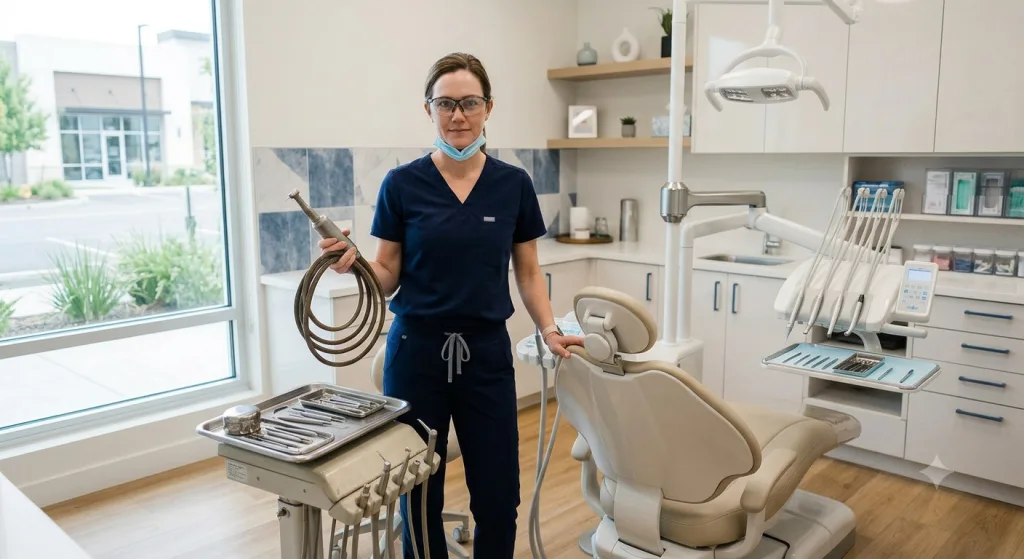
Most practice owners recognize the value of modern technology. Even so, many continue using aging equipment because they worry about the financial commitment.
Common reasons include:
- Concern about large upfront costs
- Uncertainty about return on investment
- Fear of increasing debt
- Equipment that still appears to function
- Competing business priorities
Although these concerns are understandable, they often focus only on the purchase price. Unfortunately, they overlook the ongoing costs associated with outdated dental equipment.
Instead of asking, “Can I afford new equipment?” a better question may be, “What is my current equipment costing me every month?”
The Hidden Cost of Outdated Dental Equipment
Old equipment rarely fails all at once.
Instead, performance gradually declines over time.
Treatment may take longer, repairs become more frequent, and workflow becomes less efficient. Because these changes happen slowly, many dentists simply adapt without realizing how much productivity they are losing.
Eventually, those small inefficiencies add up.
Common hidden costs include:
- Longer appointment times
- Increased maintenance expenses
- Unexpected equipment downtime
- Lower patient capacity
- Reduced team efficiency
- Higher repair bills
While each issue may seem manageable on its own, together they can significantly reduce profitability.
Lost Production Can Cost More Than New Equipment
One of the biggest financial impacts of aging equipment is lost production.
Imagine a treatment room where outdated equipment adds just ten extra minutes to each patient visit.
That may not sound significant.
However, over hundreds of appointments each year, those additional minutes can reduce the total number of patients your practice is able to see.
Fewer appointments often mean:
- Lower production
- Reduced collections
- Delayed treatment schedules
- Longer patient wait times
Consequently, the opportunity cost of delaying an upgrade may exceed the monthly financing payment for new equipment.
Patients Notice Technology
Today’s patients expect modern healthcare experiences.
Many compare dental offices online before scheduling appointments, and advanced technology often influences their perception of quality.
Although patients may not recognize every piece of equipment, they notice when technology appears outdated or procedures feel inefficient.
Modern equipment can improve patient confidence by offering:
- Faster appointments
- Greater comfort
- Improved communication
- More accurate diagnosis
- Better treatment experiences
Consequently, investing in technology can strengthen patient satisfaction while supporting long-term retention.
Better Technology Improves Team Efficiency
Equipment upgrades benefit more than patients.
Dental teams also become more productive when they have reliable, modern tools.
For example, updated delivery systems, digital scanners, and advanced imaging equipment can simplify workflows and reduce unnecessary steps during treatment.
As a result, staff members spend less time troubleshooting equipment and more time focusing on patient care.
Improved efficiency often contributes to:
- Lower stress
- Better scheduling
- Increased production
- Higher employee satisfaction
These operational improvements may be difficult to measure directly, but they often produce meaningful long-term value.
Understanding Dental Equipment Upgrade ROI
Before investing in technology, every dentist should evaluate the expected dental equipment upgrade ROI.
Return on investment involves much more than generating additional production.
Potential benefits include:
- Higher patient volume
- Faster procedures
- Increased treatment acceptance
- Lower maintenance costs
- Expanded clinical services
- Improved patient retention
Rather than focusing solely on the purchase price, practice owners should compare the long-term financial benefits against the total cost of ownership.
In many cases, modern equipment generates value for years after installation.
When Should You Replace Dental Equipment?
Many dentists ask the same question:
“When should I replace dental equipment?”
The answer depends on more than age alone.
Instead, consider replacing equipment when:
- Repairs become frequent.
- Downtime interrupts patient care.
- Maintenance costs continue rising.
- New technology significantly improves efficiency.
- Existing equipment limits practice growth.
- Patient expectations change.
Waiting until equipment completely fails often creates unnecessary disruption.
Planning upgrades proactively gives practices greater flexibility and control over financing options.
Technology Investments That Deliver Strong Returns
Not every equipment purchase produces the same financial impact.
Some of the most valuable dental technology investments include:
- Intraoral scanners
- CBCT systems
- Digital sensors
- CAD/CAM technology
- Modern treatment chairs
- Sterilization equipment
- Practice workflow technology
The best investment depends on your patient population, services offered, and long-term growth strategy.
Rather than purchasing technology simply because it is new, practices should evaluate whether it improves efficiency, patient experience, or production.
Cash Flow Matters Just as Much as Technology
One reason many dentists postpone upgrades is concern about protecting cash reserves.
This concern is understandable.
Healthy cash flow allows practices to cover payroll, supplies, marketing, and unexpected expenses.
However, paying cash for every technology investment is not always the strongest financial strategy.
Using significant cash reserves for equipment purchases may reduce financial flexibility during periods of uncertainty.
Consequently, many practices choose financing options that preserve liquidity while allowing them to modernize their offices.
Equipment Financing Can Support Practice Growth
Financing allows many practices to invest in technology sooner rather than waiting several years to accumulate cash.
Rather than making one large payment, dentists can spread costs over time while continuing to preserve working capital.
At IMS Financial, we specialize in financing solutions created specifically for dental professionals.
Whether your practice is purchasing digital imaging systems, treatment chairs, scanners, or other technology, financing may help you:
- Preserve cash flow
- Upgrade sooner
- Improve operational efficiency
- Increase production
- Maintain financial flexibility
Instead of delaying growth because of upfront costs, financing allows many practices to begin realizing the benefits of new technology immediately.
Learn more about our financing solutions:
You can also explore our Equipment Financing programs:
https://imsfinancial.net/equipment-financing/
Calculate the Cost of Waiting
Before postponing your next equipment purchase, consider calculating the true cost of waiting.
Ask yourself:
- How much production is lost each month?
- How much do repairs cost annually?
- How many appointments take longer because of outdated equipment?
- Could newer technology improve case acceptance?
- Are patients choosing competitors with more advanced technology?
Answering these questions often changes the financial conversation.
Instead of viewing new equipment as an expense, many practice owners begin seeing it as an investment that supports future growth.
Final Thoughts
Using outdated dental equipment may seem like a way to avoid spending money, but the hidden costs often outweigh the savings.
Reduced efficiency, increasing maintenance expenses, lost production, and missed growth opportunities can all affect your practice’s profitability over time.
By evaluating the true return on investment, planning upgrades strategically, and exploring financing options that preserve cash flow, dentists can modernize their practices without creating unnecessary financial pressure.
The most successful practices in 2026 will not necessarily be those that spend the most on technology—they will be the ones that invest at the right time, with a clear financial strategy and a long-term vision for growth.
👉 Explore our financial planning resources for dental practices and start the year with confidence.
👉 Learn more to receive additional information about flexible financing solutions for dental practices.
👉 Read our client stories to see how other dental practices have navigated similar financial challenges.


